How to Make The First Scratch Less Likely
There’s a moment that happens in a lot of marinas every weekend that most boaters don’t think twice about.
A boat drifts a little closer to the dock than expected. Someone misjudges the wind. A wake rolls through the marina at the wrong time. Then comes that soft thud against the piling.
Usually, it’s nothing serious.
But for a new boater, that sound can feel enormous.
A few summers ago, a father pulled into a crowded marina with his two kids onboard. His daughter, probably ten or eleven, was standing near the bow with the dock line in her hands, trying her best to help. As the boat eased in, the wind pushed them sideways just enough for the hull to lean into the dock before she could react.
She immediately looked panicked.
“Sorry.”
Not because there was damage. There wasn’t. The bumpers did exactly what they were supposed to do. But in her mind, she had just made a mistake big enough to ruin the afternoon.
Her dad smiled, grabbed the line, and said something simple:
“That’s why the bumpers are there.”
Five minutes later, she was laughing again.
That moment sticks because boating has a strange way of teaching confidence. The experienced boaters understand that boats are constantly moving. Wind shifts. Water rolls underneath you. Wakes bounce through marinas. Even the best captains don’t dock perfectly every single time.
But newer boaters don’t know that yet.
To them, docking feels like a test. Every person at the marina seems to be watching. Every correction feels too aggressive. Every small impact sounds expensive. And when those moments pile up, people slowly stop enjoying boating altogether.
We talk a lot in boating about bringing younger people into the lifestyle, but not enough about what actually keeps them there.
It usually isn’t the horsepower.
It isn’t the electronics.
It isn’t even the boat itself.
It’s whether the experience feels welcoming.
We wrote before about the “6-inch problem”: most dock damage doesn’t come from major crashes but from tiny, repeated movements caused by wind, current, and wakes. In a way, the same thing happens emotionally with new boaters. It’s rarely one catastrophic moment that pushes someone away from boating. It’s the accumulation of stress.
The yelling during docking.
The fear of damaging the boat.
The embarrassment of getting it wrong.
The feeling that one mistake could cost thousands of dollars.
Eventually, spouses stop volunteering to help dock. Kids stop wanting to learn. Friends hesitate to take the wheel.
And that’s a problem, because boating is supposed to feel freeing.
The families that stay in boating long term usually figure something out early: remove as much unnecessary stress as possible. Not the responsibility. Not the learning process. Just the fear surrounding it.
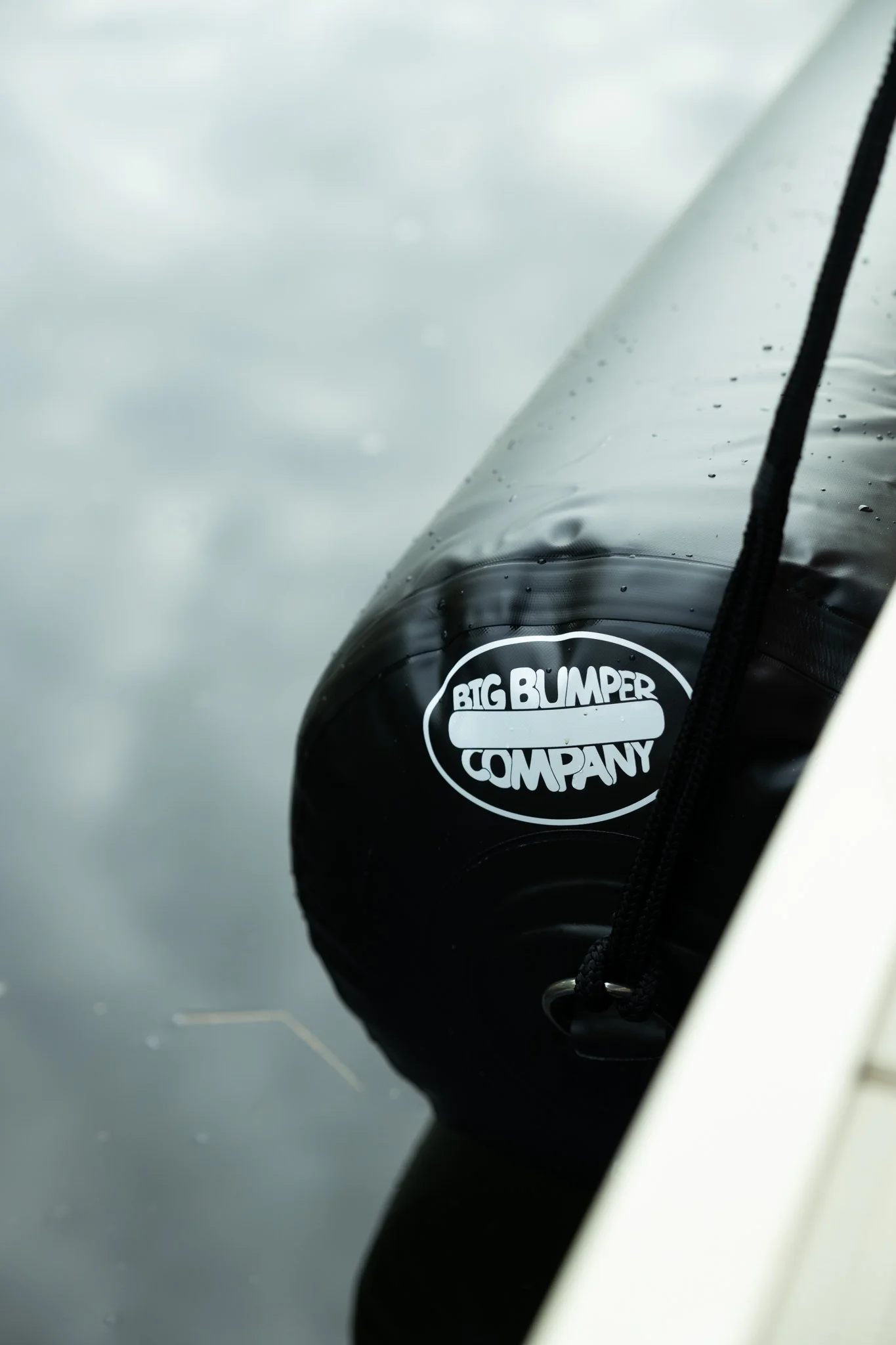
That’s part of what makes oversized dock protection so important. Big Bumpers don’t just protect fiberglass. They create breathing room. They let kids step onto the dock without everyone holding their breath. They let new captains get close enough to learn. They make the boat feel approachable instead of fragile.
And once people stop worrying about every little mistake, they finally get to enjoy the parts of boating that matter most.
The early morning rides before the lake gets busy.
The dockside dinners.
The first time your child takes the wheel.
The traditions that quietly repeat every summer until one day your kids are old enough to start teaching someone else.
That’s how boating grows.
Not through perfect docking jobs, but through experiences that make people want to come back next weekend.